From wood fibres to plastic-free burger boxes: How Fibenol and Kroonpak are developing fibre-based food packaging
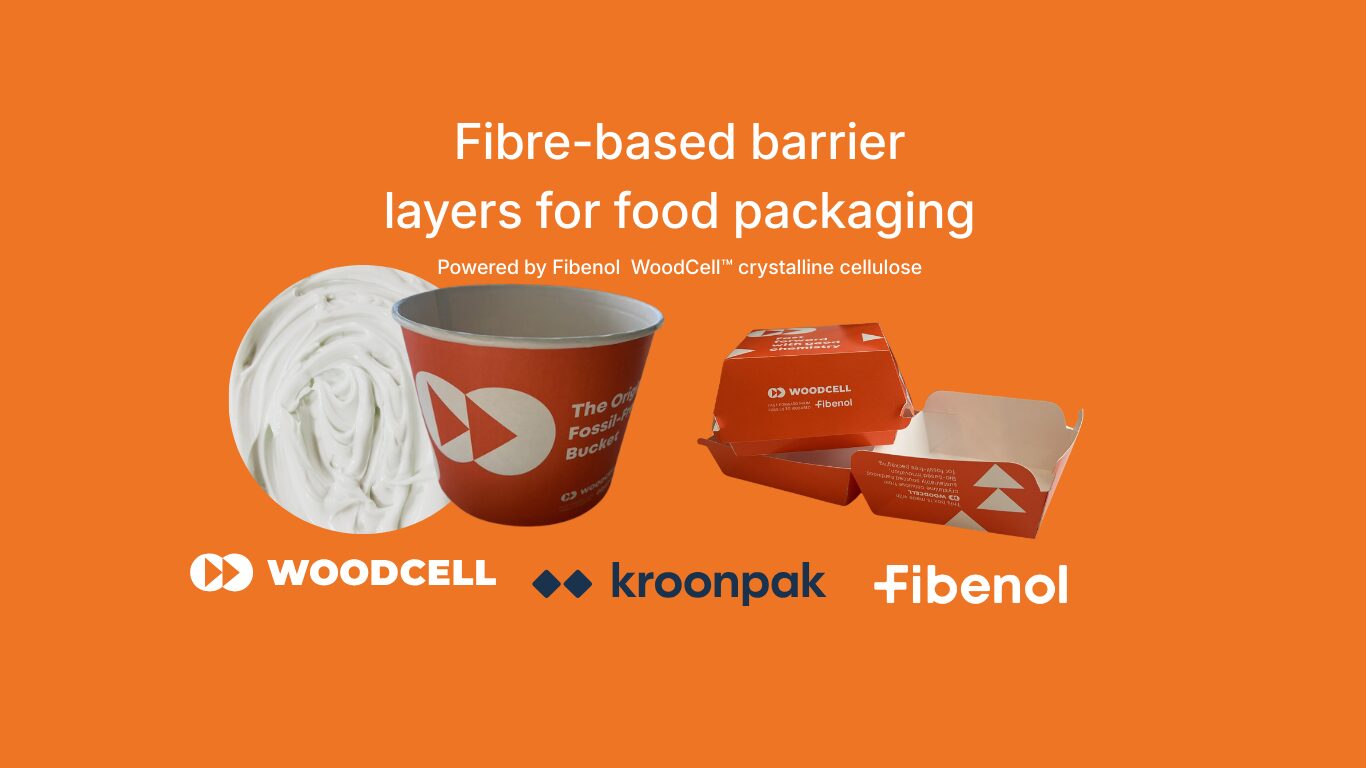
Food-service packaging must protect against grease and moisture while remaining recyclable. At the same time, plastic-based barrier coatings are facing increasing regulatory pressure in the EU. This challenge brought Fibenol and Kroonpak together in 2024.
A fibre-based alternative
The goal was clear: develop a barrier coating solution that replaces plastic layers while staying compatible with existing paper recycling systems.
The result is a plastic-free burger box using Woodcell™ crystalline cellulose, a wood-derived, cellulose-based barrier material developed by Fibenol.
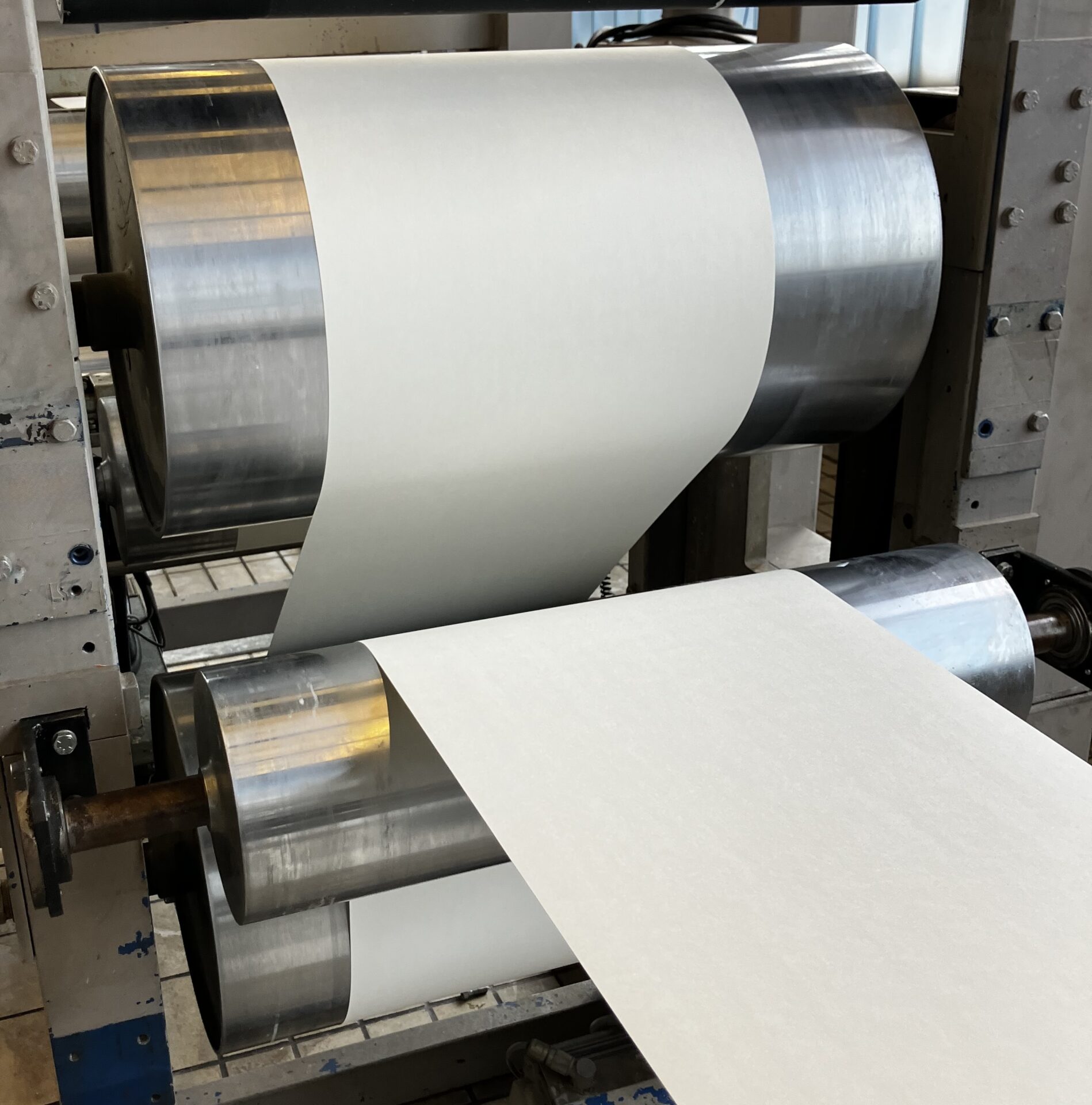
Applied as a functional coating on paperboard, Woodcell™ creates a fibre-on-fibre, monomaterial structure. Unlike conventional polymer coatings, it integrates into the fibre matrix instead of forming a separate plastic layer.
Why burger boxes?
Burger boxes were selected as the first application because they are demanding:
- High grease exposure
- Frequent handling
- High-volume takeaway use
If the barrier performs here, it can extend to other food-service formats.
Material and performance
Woodcell™ crystalline cellulose is produced from hardwood and plywood industry residues using Fibenol’s proprietary Sunburst® technology.
The barrier provides:
- Resistance to grease and oils
- Protection against light moisture
- Barrier to air, oxygen, and mineral oil
At the same time, the packaging remains:
- Monomaterial
- Repulpable in existing paper recycling systems
- Free from fossil-based plastic barrier layers
- Bio-based and food-contact safe
What comes next
Development continues during 2026 with further optimisation of the barrier formulation and expansion into new formats, including buckets, salad bowls, and cups.
Commercial production of burger boxes is planned for 2027.